Are you struggling with the following symptoms?
- Frequent Headaches
- Generalized Fatigue
- Skin breakouts
- Abdominal pain
- General muscle pain
- Inability to lose weight
- Chronic nasal/sinus congestion
- Dark circles under eyes
- Difficulty concentrating
- Craving for carbohydrate-rich foods and refined sugars
- Sleep disruption
- Mood disturbances such as depression and anxiety
- Irritable bowel symptoms and digestive discomfort
- Heartburn and persistent illnesses
- Fluid retention and
- Feeling bloated
And you don’t actually know why. Even after speaking to your doctor. Did you know that the actual culprit could be deep hidden toxins in your body? Things like: dental infections, mold, heavy metals, parasites, etc.
The word “Detox” has become such a common / casual word now-a-days. Every second person is on a detox, and we think by just drinking a few green juices or smoothies will do the trick. We actually forget that detox is an important natural process that occurs daily in the body. And that detoxification is a very complex process. If your body isn’t able to detoxify effectively, then trust me you will struggle to have optimal health.
What is detoxification?
“Detoxification” is about the biotransformation of substances that allows for their transport and excretion from the body. This also includes mobilization of stored toxins (e.g. heavy metals) from within tissues.
Our body is daily surrounded by toxins. For example: Endotoxins which comes from within the body, like hormone metabolites, or toxins secreted by our microbes themselves like Lipopolysaccharides (LPS). Or Exotoxins which comes from external sources, like the skin care products we rub daily on our skin, medication/drugs, chemicals, food additives, pesticides, or herbicides, alcohol, drinking tap water, etc.
These substances have to go through a few biochemical transformation processes to be eliminated or excreted from the body.
During phase 1 detoxification, a substance or chemical is converted into a less harmful substance. And it is made more water soluble. This is achieved by various chemical reactions (such as oxidation, reduction, and hydrolysis reactions). These reactions are mediated by a group of enzymes known as the cytochrome P450 enzyme group.
During this process free radicals are produced within the liver. And if these free radicals become excessive they can damage the liver cells. That is why antioxidant protection is key during this process. Antioxidants (like Vitamin A, Vitamin C, Vitamin E) and minerals (like selenium, copper, zinc, manganese) “quench” (i.e. disarm) free radicals and they reduce the damage caused by these free radicals. If antioxidants are lacking and toxin exposure is high, then these toxins become far more dangerous. Some may be converted from relatively harmless substances into potentially carcinogenic substances. Excessive amounts of toxic chemicals (e.g., pesticides) can disrupt the P-450 enzyme system by causing over activity or what is called “induction” of this pathway. This will result in high levels of damaging free radicals being produced. The danger of this is that if these reactive molecules are not further metabolised by Phase 2 conjugation, they may cause damage to proteins, RNA and DNA within the cells.
There are some key nutrients that are involved during Phase 1 detoxification, like glutathione, all B vitamins, branched-chain amino acids, flavonoids, and phospholipids.
During phase 2 detoxification, the converted substance / chemical is then attached or conjugated to another substance (e.g., cysteine) via a conjugation reaction. This renders the compound even less harmful and also make it water soluble. The water soluble compound can now be excreted from the body through our urine or through a bowel movement.
There are many modern lifestyle choices that can ramp up phase 1 detoxification and slow down phase 2 detoxification. Which can lead to a lot of toxins being partially bio transformed. These partially detoxed substances tend to be reactive intermediates that can do oxidative damage to our tissues and cause inflammation.
The key nutrients that are involved during phase 2 detoxification are: glycine, taurine, glutamine, cysteine, methionine.
Phase 1 and Phase 2 detoxification processes are highly dependent on these key nutrients mentioned above. We need nutrients to fuel these detoxification processes.
And where do we get our nutrients from??
You guessed it …. We get our nutrients from the FOOD that we eat.
So our diet plays a critical role in how well our body is able to handle the toxins entering it. If our diet lacks nutrients then our body won’t be able to effectively eliminate and excrete the toxins from our body. Therefore, making healthy food choices is crucial for effective detoxification.
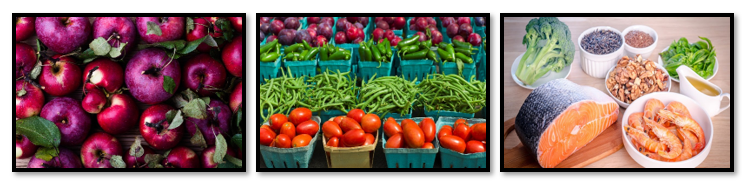
There are 4 toxin-loaded food groups that can interfere with our body’s ability to detoxify effectively.
GLUTEN
The body sees gluten as a foreign invader. It forms antibodies to fight it, causing inflammation in the gut and small intestine. Even without Celiac disease, this leads to intestinal damage, poor nutrient absorption, and physical pain. That’s why eating gluten triggers bloating, diarrhea, constipation, and fatigue . Non-celiac gluten sensitivity (NCGS) is linked to depression and anxiety, and autoimmune disorders like Hashimoto’s psoriasis, and rheumatologic diseases . Besides pasta, avoid cereals, bread, beer, and the like.
FAST FOODS & PROCESSED FOODS
Eating processed foods and fast foods may kill more people than cigarette smoking . These kinds of food contain dangerous amounts of harmful chemicals and synthetic man made ingredients. They have lots of calories, are highly flavoured, and are nutritionally barren. These chemicals cause fertility issues, asthma, and cognitive development problems in children .
CARBONATED DRINKS (Sweetened with sugar or artificial sweeteners)
Two glasses per day of these drinks raise the risk of premature death by 17% ! Causes of death are obesity, Type 2 Diabetes, and certain cancers from high sugar intake. Carbonated water also increases ghrelin, the hunger hormone. These disturb the balance between the production of free radicals and antioxidant defences. PET bottles (plastic bottles) used by big soft drink brands also contain heavy metals. Research found significant leaching of these toxins into the product they contain with the rise in room temperature.
What should we include in our diet to support detoxification?
Firstly, make sure you eat a diet that is nutrient-dense, packed full of delicious REAL WHOLE food. Eating lots of fruits, vegetables, healthy lean proteins, low GI carbohydrates and healthy fats.
On top of that, also add these specific items to your diet which will aid in detoxification:
- Vegetables: leeks, onions, garlic, cruciferous veggies (e.g., broccoli, broccoli sprouts, cabbage, cauliflower, etc.), leafy greens (e.g., kale, spinach, etc.), cucumber, fermented vegetables (e.g., sauerkraut, kimchi, pickles, etc.), beetroot, Jerusalem artichokes,
- Fruits: grapes, berries, citrus fruits, avocado, pineapple, cranberries, mango, apples
- Herbs/spices: turmeric, parsley, coriander, licorice root, cayenne pepper, cinnamon, oregano,
- Nuts/seeds: chia seeds, sunflower seeds, almonds,
- Beverages: green tea, pure clean water,
- Oils: olive oil, coconut oil
- Grains: oats,
- Other: psyllium husk, resistant starch, roselle, fish oil, echinacea, astralagus, spirulina, bone broth, milk thistle.
Tips and Tricks to support detoxification:
- Before ramping up more detoxification, make sure you are not constipated and that you are not deficient in any of the key nutrients that are needed during the detoxification process.
- Drink a glass of lukewarm water with juice of one organic lemon first thing in the morning.
- Drink lots of clean pure water during the course of the day.
- Drink organic green, dandelion, or nettle tea.
- Regularly drink bone broth.
- Use either a fruit/vegetable washing machine (e.g., WAITLOVER Portable Ultrasonic Washing Cleaner) or a Veggie wash (e.g., Eco-Max Fruit & Veggie Wash) to remove vegetable surface contamination, microorganisms, and pesticide residues.
- Regularly do a detox cleanse (e.g., 21 Day Detox Kit Chocolate – Dr. Keesha (drkeesha.com))

 Glowing with Health Ltd - 1Cor10:31