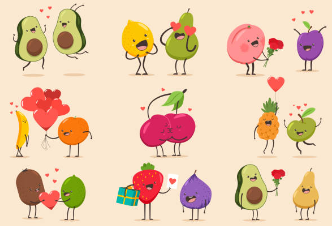
I think one of our most basic human needs is to have “good” relationships. We were created as social creatures, to connect with others and to enjoy deep meaningful relationships. But have you ever thought about your relationship with food?
There is such a vast array of nutritional information out there, is it any wonder that so many of us feel that the only way to be healthy is to focus on eating “perfectly”. However, nutrition is only half of the story when it comes to eating. Our relationship with food also MATTERS!! Even if we were eating all the perfect amounts of every nutrient – if that was even possible – that would only result in us overthinking everything we ate, banning foods we think don’t fit this perfect picture, never eating food for pleasure, or avoiding eating out with others for fear of how the food was prepared. This DOES NOT equal a good relationship with food, and that will definitely not equal health.
When it comes to our relationship with food we need to get to a balanced, intuitive, and healthy relationship with food. We need to think differently about food.

A balanced diet is important for your body to get the macronutrients and micronutrients it needs to function optimally. Trying to include a balance of macronutrients, including carbohydrates, proteins, fats – as well as fruits and vegetables enables you to nourish your body. Eating a balanced diet is also important to prevent you from depriving yourself of something you need. Balanced eating means eating regularly, eating a full variety of foods, and not excluding or banning foods (unless you do struggle with a specific disease or condition).
Ask yourself these questions:
- Am I generally including all 4 components (proteins, carbs, fats, fruits/vegetables)? Or am I consistently avoiding one or two?
- Am I giving myself similar quantities of carbohydrate, protein, and vegetables? Or am I giving myself more of one and less of another?
- Am I generally feeding myself enough of each component so that my meals satisfy me? Or am I consciously giving myself small portions, leaving me unsatisfied, wanting more, or feeling out of control later?
If you answered NO to some of these questions, spend some time reflecting on this. By exploring WHY you are making these decisions, you can identify what the barriers to balanced eating are for you and determine your current relationship with food.
Do you have a bit of a “love-hate” relationship with food? Or do you have an “eat this – not that” approach to food? Do you eat more when you are sad, stressed or angry?
Our food choices are complex and can depend on many different, interacting factors. Our hunger is driven by our hormones, but we so often don’t listen to our hunger cues. Our environment also plays a huge part in our food choices, for better and for worse! Healthy relationships with food rely on us listening to our bodies and understanding how our bodies react to the foods we eat.

So what can we do to improve our relationship with food?
- Determine and address your current negative thought patterns towards food.
- Determine if you have any black-or-white “rules” when it comes to food. Think about how you could adapt them so that you can relate better to food.
- Deal with your emotions. Confronting emotions is important to improve your relationship with food.
- Practice mindfulness and become more aware of your food. Focus not just on what you are eating but also on why and how you are eating.
- Overcome “perfectionism”. Strict, unrealistic eating and body-related goals can fuel an unhealthy relationship with food.

 Glowing with Health Ltd - 1Cor10:31